As Academic Year 2025–26 came to a close earlier this month, the ComPOSTer is using this time to reflect on where things stand at the S.C.R.A.P. Lab and share where we see opportunities emerging in the months and years ahead.
If you’ve been following along, much of our operational landscape remains unchanged from the update we shared in September 2025, with budget limitations at the University continuing to constrain the scale of activities we can support. Despite this reality, we were able to keep our coffee grounds diversion partnership with Coffee Club running smoothly.
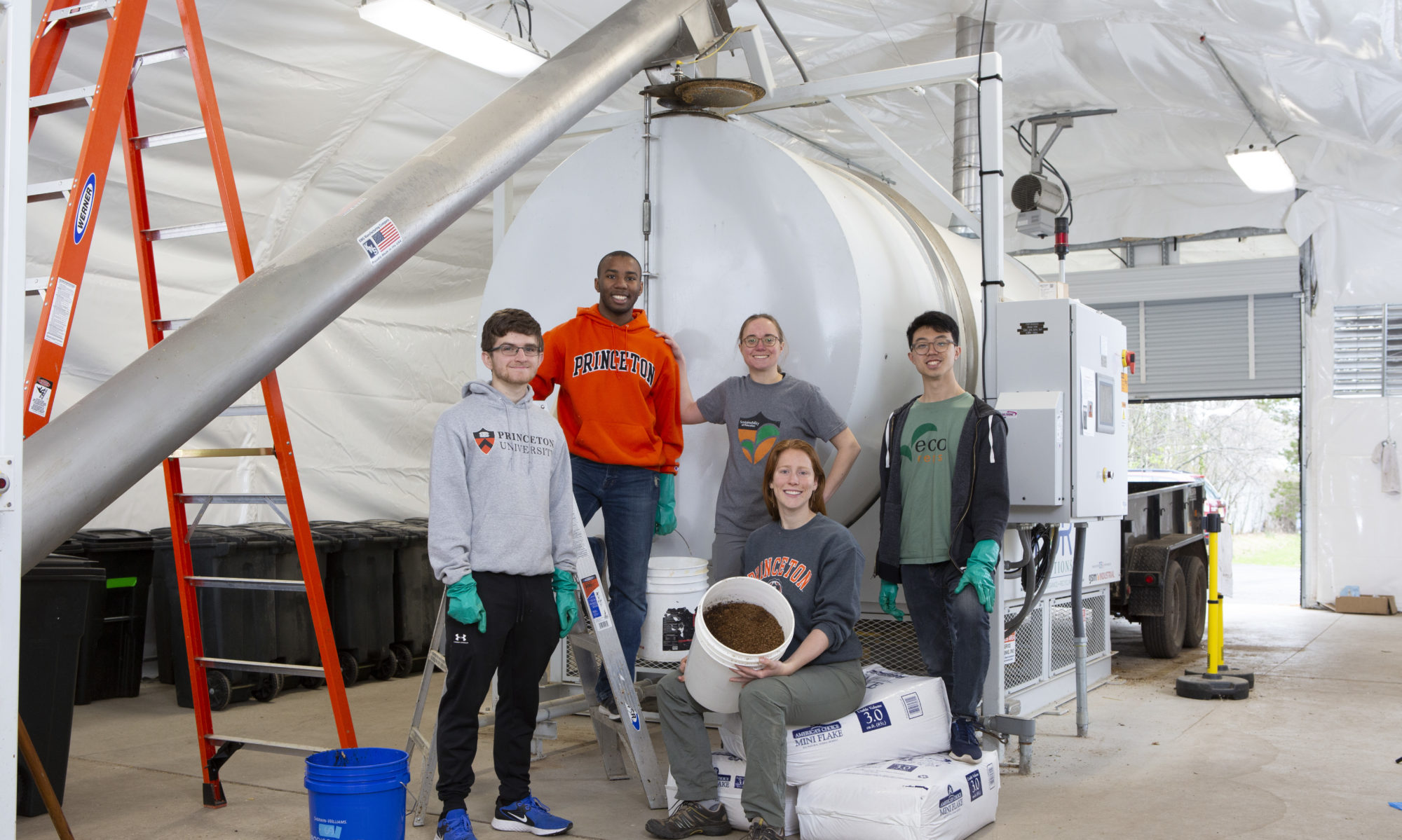
A huge amount of credit goes to our Compost Concierge student team, Cade and Tarun, who picked up several hundred pounds of coffee grounds every week to ensure that this organic material continued finding a productive end-of-life pathway instead of heading to disposal.
Additionally, staff and students supported organics diversion at several campus events, including the Facilities’ Annual Cookout & Bring Your Child to Work Day, and the TASA Night Market.
In total, just under 8,000 pounds—nearly 4 tons—of compostable material was recovered and transformed into compost over the course of the academic year. We also continued connecting with students, staff, visitors, and the broader organics recycling community around composting and sustainable materials management through course visits, site tours, presentations and other outreach activities.
Meanwhile, we’ve been actively pursuing grant opportunities and partnerships that could support future projects, research initiatives, and infrastructure development. While some federal funding opportunities have disappeared, others at the state and national level remain available—and in some cases have expanded.
New Jersey Organics Recycling Is Gaining Momentum
One reason for optimism is the rapidly evolving policy landscape around food waste and organics recycling. Earlier this year, New Jersey enacted S2426/A2090, one of the state’s most significant food waste reduction laws to date. The legislation requires Solid Waste Management Districts to develop strategies for reducing food waste and directs the NJ Department of Environmental Protection (NJDEP) to create a tiered permitting structure for food waste composting and recycling facilities.
Taken together, these provisions signal a growing commitment to expanding organics recycling infrastructure and making composting more accessible across the state. While details will be worked out through future planning and rulemaking, the law has the potential to create new opportunities for municipalities, institutions, businesses, and community-scale composting operations. Read more on WasteDive
Looking Ahead
At the S.C.R.A.P. Lab, we view these developments as an encouraging sign that organics recycling is receiving increasing attention. Although budget constraints continue to shape what is possible in the near term, the broader landscape is evolving in ways that could create new opportunities for research, education, infrastructure development, and community partnerships. As counties begin developing food waste reduction strategies and NJDEP advances work on tiered composting permits, we’ll be following closely and looking for ways to contribute our experience and perspective.
For now, we’re grateful to everyone on campus who helped divert nearly 4 tons of compostable material this year and kept the work moving forward.
The budget may not have changed, but the momentum certainly has.
And for organics recycling in New Jersey, things are just starting to heat up.


